Introduction
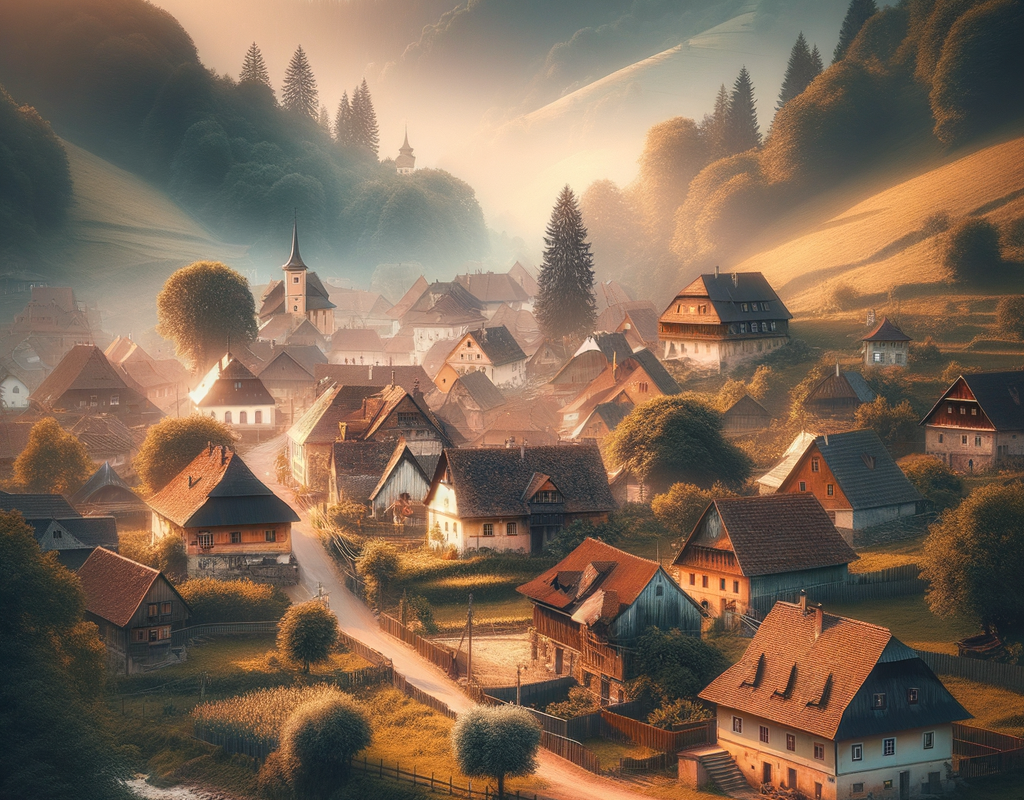
Step into Timeless Transylvanian Villages and you enter a living tapestry of fortified churches, cobbled lanes, and traditions that haven’t lost their pulse. These places are not museum sets—they’re working communities where bread still rises in wood-fired ovens and shepherds still trace seasonal paths. In this guide, we’ll map standout villages, share practical itineraries, offer sustainable travel tips, and highlight common mistakes to avoid. You’ll get data-backed context, first-hand insights, and simple steps to plan an unforgettable rural journey.
Timeless Transylvanian Villages to Experience Now
Viscri: Craft Revival and Saxon Heritage
Viscri’s pastel lanes and whitewashed church make it a bellwether for rural revival. Local families preserve wool felting, loaf baking, and brick-making that you can witness in small workshops. The UNESCO-listed fortified church anchors village life, and the lane to the meadows becomes a golden corridor at sunset. In the spirit of Timeless Transylvanian Villages, stay in a family-run `agropensiune` and join a bread-baking morning.
– What to do: church tower climb, craft demos, meadow walk
– Tip: buy felt slippers or hand-woven textiles directly from makers
Biertan: The Fortress of Rings and Ridges
Ringed by vineyards and orchards, Biertan’s hilltop church is famous for its intricately locked sacristy door. The village square hosts low-key weekend markets where you can try smoked cheese and fruit brandies. Stay within walking distance to explore at dawn, when the fortified walls glow and the roosters do the scheduling.
– Don’t miss: the “marital prison” room in the church complex (a quirky historical mediation space)
– Best light: early morning or late afternoon for photos
Rimetea (Torockó): White Facades and Mountain Backdrops
Rimetea’s uniform white facades, green shutters, and the dramatic Piatra Secuiului massif create postcard perfection. It’s one of the best bases for easy-to-moderate hikes, with traditional Hungarian cuisine awaiting your return. Watch how local carpenters refinish shutters—a small lesson in preservation done right.
– Hike: sunrise trail to the saddle for a sea-of-clouds effect
– Eat: cabbage leaves stuffed with rice and pork, with sour cream
Rășinari & Sibiel: Shepherd Culture in Marginimea Sibiului
These villages near Sibiu keep pastoral traditions alive. Rășinari’s cheese market and Sibiel’s icon-on-glass museum bring everyday spirituality and craft into focus. If you’re curious about how Timeless Transylvanian Villages truly function, ask your host about haymaking—many families still stack hay the old way, scythe and all.
– Museum stop: the impressive icon collection in Sibiel
– Seasonal experience: lambing in spring; hay meadows in late June–July
Heritage That Breathes: Architecture, Crafts, and Food
Fortified Churches: A Network of Rural Strongholds
Transylvania’s fortified churches once sheltered villagers during raids, combining sanctuary and defense. Today, seven villages with fortified churches are inscribed on the UNESCO World Heritage List—Biertan, Viscri, Darjiu, Saschiz, Prejmer, Câlnic, and Valea Viilor—recognizing their outstanding preservation and community value. See the listing on the official UNESCO World Heritage page for background and visiting principles.
– Snapshot: These sites illustrate centuries of Saxon and Szekler rural life.
– Practical: Many churches have limited opening hours—coordinate through your host or village caretaker.
> Insight: “The churches were built for faith, but they survived by community,” a caretaker in Biertan told me while unlocking the sacristy door.
Handcrafts in Motion: Looms, Kilns, and Forges
From wool-felting in Viscri to woodcarving in Rimetea, crafts are living economies here. A small cooperative in one Saxon village increased artisan income by standardizing sizing and labels, allowing makers to sell beyond the village gate while preserving handwork. When you buy directly, you fund both craft and continuity.
– Best practice: choose durable, useful items (felt slippers, woven table runners, wooden spoons)
– Case study: a family pottery in Corund revived traditional glazes by pairing old techniques with modern firing schedules
Table Traditions: Slow Food by Default
Meals echo the seasons: nettle soup in spring, plum dumplings in late summer, and smoked pork with polenta in winter. Expect sourdough bread, raw milk cheeses, and pickled vegetables on almost every table.
– Try: breakfast platters with raw honey and soft cheeses
– Common mistake to avoid: expecting late-night restaurant hours; plan dinners early or pre-book a farmhouse meal
Why Rural Still Thrives: People and Numbers
Romania has one of the largest rural shares in the EU; about 46% of its population lives in rural areas, according to the World Bank’s rural population data. That living continuity explains why you’ll still see hayracks, horse carts, and field-side wayside shrines. Timeless Transylvanian Villages endure because the communities behind them do.
– Statistic: Seven fortified villages are UNESCO-listed; many more maintain original layouts and crafts.
– Takeaway: Respect schedules tied to farming, not tourism.
Practical Itineraries and Data-Backed Planning
A 3-Day Loop from Sibiu (Hands-On Case Study)
Day 1: Sibiu → Rășinari → Sibiel. Visit the icon museum, enjoy a farmhouse lunch, and walk the meadow lanes at golden hour.
Day 2: Sibiu → Biertan → Richiș (neighboring village with another church and ceramics). Stay in Biertan for easy access.
Day 3: Drive to Rimetea for hiking and lunch, then return via Aiud’s vineyards.
– Drive times: segments range 45–90 minutes on local roads
– Internal resource: see our Romania road trip guide for route logistics
When to Go: Seasons and Flow
– Spring (April–May): wildflowers, quieter lanes, cool evenings
– Summer (June–August): haymaking and festivals; book early
– Autumn (September–October): grape harvests, crisp air, fewer crowds
– Winter (December–February): snowy roofs, limited hours, cozy stove-heated rooms
Mistake to avoid: assuming Sunday services allow touring—many churches are open only outside worship times.
Getting Around: Roads, Trains, and Transfers
You can mix trains with local taxi transfers, but a car offers flexibility for hamlets and meadows. Drive slowly: village roads host cyclists, livestock, and children. In the spirit of Timeless Transylvanian Villages, let travel time be part of the experience.
– Navigation: download offline maps; mobile signal can dip in valleys
– Fuel: top up in towns; stations are sparse between villages
Budget and Booking: What to Expect
– Stays: family `agropensiune` rooms typically run €35–€70/night with breakfast
– Meals: €8–€15 per person at farmhouse tables; cash useful in small shops
– Bookings: peak summer may require 4–6 weeks’ notice; shoulder seasons are more flexible
– Note: Some hosts accept card payments; ask in advance and carry backup cash
Responsible Travel in Timeless Transylvanian Villages
Etiquette: Faith, Photos, and Footpaths
– Dress modestly in churchyards; remove hats inside sanctuaries
– Always ask before photographing people, especially elders and children
– Keep to marked paths across meadows and respect haystacks and fenced orchards
Sustainability: Spend Locally, Tread Lightly
– Hire local guides and buy direct from makers
– Bring a refillable bottle; many `agropensiune` kitchens offer safe tap water
– Pack out litter; small villages handle waste on tight budgets
Common Mistakes to Avoid
– Racing through five villages in a day—depth beats checklist
– Parking at church gates during services
– Haggling aggressively over handmade goods
– Treating households like exhibits rather than neighbors
Best Practices Checklist
– Pre-schedule church access through your host
– Learn a few Romanian or Hungarian greetings
– Carry small bills for donations and entry fees
– Log your route in advance and share with your host
For background on preservation norms, explore our beginner’s guide to European UNESCO sites.
Conclusion
The soul of these places rests not only in limestone walls or carved gates, but in early market chatter, creaking looms, and the generosity of hosts who cook like family. Plan with care, travel slowly, and you’ll find that Timeless Transylvanian Villages reward attention with stories you can taste and touch. Start mapping your route, book a night or two in a family `agropensiune`, and support the artisans who keep traditions alive. Which lane, forge, or bell tower will be the first chapter in your own Timeless Transylvanian Villages story?
FAQ
Q: Do I need a car to visit multiple villages?
A: It helps, but you can combine regional trains with short taxi transfers arranged by your host.
Q: Are churches open daily for visits?
A: Not always. Contact the village caretaker or ask your host to arrange keys and hours.
Q: What should I wear when visiting churches?
A: Modest clothing that covers shoulders and knees is respectful; hats off inside.
Q: Can I pay by card in small villages?
A: Sometimes, but cash is still common. Carry small bills for entries, markets, and donations.
Sources: UNESCO World Heritage Centre (Villages with Fortified Churches in Transylvania); World Bank (Romania rural population).