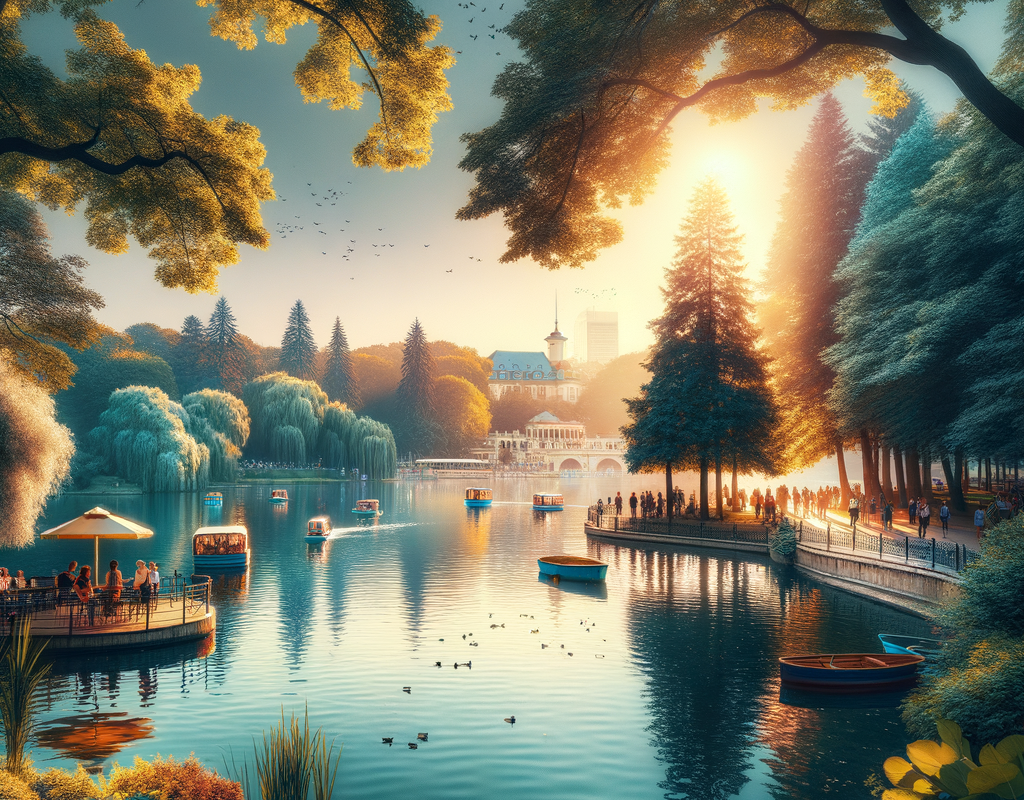
Introduction: Your Calm in the Capital
If you’re craving fresh air, water views, and a relaxed pace, Herăstrău Park Bucharest is where the city exhales. Within minutes of downtown, you’ll find lakeside paths, hidden gardens, and vibrant local life unfolding from morning jogs to sunset picnics. In this guide, you’ll learn what to see and do, how to plan a perfect visit, common mistakes to avoid, and how the park connects to Bucharest’s broader network of green spaces and secret gardens.
> Locals call it the city’s “green lung” for a reason—come for the lake, stay for the life around it.
Why Herăstrău Park Bucharest Is the City’s Green Heart
Quick Facts and Useful Stats
– Size: Approximately 187 hectares, including a 74-hectare lake, making it one of Bucharest’s largest parks.
– Location: North Bucharest, in Sector 1, wrapped around Herăstrău (King Michael I) Lake.
– Vibe: Active in mornings (joggers, commuters), social in evenings (strollers, terraces), family-friendly on weekends.
– Good to know: The park is mostly flat, with wide paths suitable for strollers and wheelchairs.
Citations:
– See historical and size details on the King Michael I Park (Herăstrău) overview: King Michael I Park (Herăstrău) – facts and history.
A Short History and the Name Change
Opened in the 1930s, the park grew around the former marshlands of the Colentina River basin. It was known for decades as Herăstrău Park; in 2017, authorities renamed it King Michael I Park to honor Romania’s late monarch. You’ll still hear both names used interchangeably by locals, and many signs retain “Herăstrău,” so don’t be confused—same place, same lake.
How Locals Actually Use the Park
– Weekday mornings: 5–8 km runs on the lakeside loop before work.
– Noon to afternoon: Families, remote workers on benches, lunch at terraces.
– Evenings: Rowboats, photo walks, relaxed cycling, and meet-ups along the promenade.
Case in point: A common 90-minute routine pairs a 6 km jog, coffee near the Japanese Garden, then a cool-down stroll past the rose bushes—simple, restorative, and free.
What to See and Do Around the Lake
Lakeside Circuits and Bike Routes
– The classic loop: 6–7 km, mostly paved, nearly flat. Walk it in 90–110 minutes or cycle in 25–35 minutes.
– Photo stops: Arcul de Triumf (nearby), floating bridges, and sweeping views from the northern shore at golden hour.
– On the water: In season, rent a rowboat or pedal boat for 30–60 minutes; check weather and wind on the lake’s open sections.
Actionable tips:
1. Start near Aviatorilor entrance for easy metro access and a scenic first impression.
2. Go counterclockwise for morning light on the water.
3. Bring a reusable bottle; fountains are near main alleys.
Common mistakes to avoid:
– Starting at midday in summer—shade can be sparse along open stretches.
– Cycling too fast on crowded paths; pedestrians have priority.
– Forgetting bug spray near reeds at dusk.
The Village Museum (Dimitrie Gusti)
On the park’s edge sits one of Europe’s finest open-air ethnographic museums, showcasing authentic rural architecture from all over Romania—wooden churches, farmhouses, and workshops set along shaded lanes.
– Experience: Step into centuries-old homesteads, watch craft demos, and learn about regional traditions.
– Time needed: 1.5–2.5 hours.
– Planning: Check opening times and temporary exhibitions on the Dimitrie Gusti National Village Museum – official site.
Best practices:
– Visit early or late day for softer light and fewer crowds.
– Pair the museum with a short lakeside walk to balance culture and nature.
Hidden Gardens and Quiet Corners
– Japanese Garden: Spring cherry blossoms and autumn foliage, ideal for contemplative breaks or portrait shots.
– Rose alleys: Peak bloom in late spring and early summer, with varied cultivars and fragrant evening air.
– Shaded benches on the north shore: A peaceful pause away from the café clusters.
Practical example:
– A two-stop “quiet circuit”: Read for 20 minutes in the Japanese Garden, then slow-walk 10 minutes to the rose alleys for scent therapy.
Family Fun and Cultural Spots
– Playgrounds: Several well-maintained areas, including soft-surface zones near main alleys.
– Seasonal events: Open-air concerts, weekend craft markets, and children’s shows.
– Nearby landmarks: Arcul de Triumf for a quick snapshot and the elegant boulevards of Aviatorilor and Kiseleff for architectural eye candy.
Plan Your Visit: Routes, Seasons, and Safety
Getting There and Orientation
– Metro: M2 line to Aviatorilor station (Aviatorilor entrance is steps away).
– Buses: Lines 131, 331, 335, 282, and airport bus 783 stop close to the park’s borders. Check routes on STB public transport routes.
– Rideshare and taxis: Drop at Aviatorilor or Casa Presei Libere entrances; confirm your pickup point to avoid detours.
Quick orientation:
– Southern sector: Grand entrances, cafés, and easy museum access.
– Northern sector: Quieter paths, longer views across the lake.
Tech note:
– `GPS: 44.472, 26.081 (Aviatorilor entrance)`
Best Times and Seasons
– Spring: Cherry and magnolia blossoms; mild temperatures; light jackets recommended.
– Summer: Early mornings and late evenings are most comfortable; midday can be hot and bright.
– Autumn: Fiery foliage around the Japanese Garden and lake reflections—photographers’ favorite.
– Winter: Crisp air, quieter paths; dress in layers and watch for icy patches.
Data point:
– Bucharest averages 2,000+ hours of sunshine annually, so you’ll enjoy many walkable days throughout the year.
Sample Itineraries (From 2 Hours to a Full Day)
– 2-hour skim:
1. Enter at Aviatorilor.
2. Walk 3 km lakeside via the Japanese Garden.
3. Coffee stop at a terrace, then loop back.
– Half-day highlights (4–5 hours):
1. Village Museum visit.
2. 4–5 km lakeside circuit.
3. Late lunch by the water.
– Full-day green escape:
1. Morning run or boat rental.
2. Village Museum + picnic in a shaded lawn.
3. Golden-hour photo walk and dinner nearby.
Pro move:
– Combine your day with a cultural stroll the next morning using this Bucharest Old Town walking guide for architecture and cafés beyond the park.
Safety, Accessibility, and Sustainability
– Accessibility: Wide, mostly level paths; curb ramps at major crossings; museum has mixed terrain—ask staff for the most accessible routes.
– Safety: Well-frequented by day and early evening; stick to lit paths after dark and keep valuables out of sight.
– Sustainability:
– Carry a reusable bottle and small trash bag.
– Respect wildlife—don’t feed birds bread; it harms water quality.
– Use designated bike lanes and parking.
Common mistakes:
– Littering or leaving food scraps—squirrels and birds quickly scatter trash.
– Off-path shortcuts through planted beds—stick to marked walkways.
– Underestimating distances; the lake loop is longer than it looks.
Beyond Herăstrău: The Green Network of Bucharest
Elegant Boulevards and Neighboring Parks
From the southern gates, stroll Kiseleff Boulevard’s leafy median toward Kiseleff Park, one of the city’s oldest green spaces. It’s quieter, with stately mansions and embassies nearby—great for architecture lovers.
Cismigiu, Carol, and Tineretului
– Cișmigiu Gardens: Romantic bridges and 19th-century landscaping right in the center.
– Carol Park: Monumental vistas, mature trees, and lakeside steps perfect for sunset.
– Tineretului Park: Sport-forward paths, boat rentals, and active family areas.
If you’re building a multi-day itinerary, pair park time with local cuisine. Use this guide to plan your tastings: Romanian food essentials near the park.
Secret Courtyards and Botanical Delights
– Bucharest Botanical Garden: Themed greenhouses and seasonal blooms.
– Hidden courtyards in residential districts: Peek through gates along streets off Aviatorilor and Kiseleff; many reveal ivy-covered passages and pocket gardens that hint at the city’s Belle Époque past.
Evidence and references:
– For historical context and park facts, review the King Michael I Park (Herăstrău) – facts and history.
Conclusion: Make the Most of Bucharest’s Green Lung
Herăstrău Park Bucharest offers an easy entry into local life—lake loops, quiet gardens, and cultural gems like the Village Museum, all within a single, walkable landscape. Plan your route, time it with the light, and pack lightly for a comfortable day outdoors. Ready to design your perfect green itinerary? Start with a morning loop, then add one new corner each visit—you’ll always find another view worth the walk. What will be your first stop in Herăstrău Park Bucharest?
FAQ
Q: Is Herăstrău Park free to enter?
A: Yes. The park is free; fees apply only to attractions like boat rentals or the Village Museum.
Q: How long does it take to walk around the lake?
A: The loop is about 6–7 km. Most visitors walk it in 90–110 minutes at a relaxed pace.
Q: What’s the easiest way to get there by public transport?
A: Take Metro M2 to Aviatorilor station. Several buses also serve the area; check the latest on STB public transport routes.
Q: Are there good places to eat nearby?
A: Yes. Several terraces and cafés line the southern and eastern edges of the park, with more options along Kiseleff and Aviatorilor boulevards.
Q: Is cycling allowed in the park?
A: Yes, but ride slowly on shared paths and yield to pedestrians. Use bike lanes where marked.
Notes on accuracy:
– Park size and history compiled from public sources, including King Michael I Park (Herăstrău) – facts and history and the Dimitrie Gusti National Village Museum – official site. Always verify seasonal schedules and transport updates before you go.