Make the most of your day trip to Manchester
Short on time, big on curiosity? A day trip to Manchester delivers history, creativity, and sport in one compact, walkable center. In this guide, you’ll hit the top five must-see attractions, sample beloved local businesses like Mackie Mayor and Afflecks, and learn how to balance the city’s industrial heritage with its modern culture—without rushing.
> Manchester rewards smart planning: group sights by neighborhood and leave room for serendipity between stops.
How to plan your day trip to Manchester
Getting there and around
– Arrive by train to Manchester Piccadilly or Victoria; both are a 10–15 minute walk from the city core.
– Use the `Metrolink` trams for quick hops (tap-in/tap-out contactless capping keeps fares low).
– Walking is efficient: most highlights sit within a 20-minute radius.
Practical example: If you arrive at Piccadilly at 9:30 a.m., you can be at the Science and Industry Museum by 10 a.m. via a brisk walk or a short tram to Deansgate-Castlefield.
Timing your day
– Most museums open around 10 a.m.; aim to start then.
– Book the Etihad Stadium tour early afternoon to avoid matchday conflicts.
– Save the Northern Quarter for late-afternoon light—perfect for street art photos.
Common mistake to avoid: Overstuffing. Five major stops is a full day once you add lunch, transport, and browsing time.
Costs and passes
– Many cultural sites are free (donations encouraged), including the Science and Industry Museum and Manchester Cathedral.
– Etihad Stadium tours are paid; book in advance during peak weekends.
– Budget £15–£25 for lunch at Mackie Mayor, plus coffee and snacks.
For broader budgeting strategies, see our guide to budget-friendly UK city breaks.
Top 5 must-see attractions in one day
Science and Industry Museum
Housed on Liverpool Road, the world’s first inter-city passenger railway station, this museum bridges past and present. Explore the Revolution Manchester gallery for interactive exhibits on textiles, steam power, and computing.
– Best for: Industrial heritage, families, hands-on displays
– Tip: Check for temporary exhibitions; allow 60–90 minutes
– Data point: The original station dates to 1830, underscoring Manchester’s global industrial role
John Rylands Library
A neo-Gothic masterpiece opened in 1900, John Rylands Library feels like stepping into a literary cathedral. The historic reading room and special collections showcase Victorian philanthropy and scholarship.
– Best for: Architecture lovers, history buffs
– Tip: Arrive early to enjoy the reading room in relative quiet
– Mistake to avoid: Rushing through—details in the stonework deserve a slow look
Northern Quarter street art
The Northern Quarter is Manchester’s creative canvas, with murals that rotate regularly across alleys and brick facades.
– Best for: Photographers, design enthusiasts
– Tip: Start around Stevenson Square and Tib Street; loop toward Ancoats
– Case study: Local collectives curate walls that refresh seasonally, so repeat visits reward you with new work
Manchester Cathedral
This Grade I-listed cathedral blends medieval roots with modern restoration. Inside, look for the carved choir stalls and contemporary stained glass.
– Best for: Quiet reflection, architecture
– Tip: Check service times; brief closures can occur
– Best practice: Donate if you can—free entry helps keep the space open to all
Etihad Stadium tour
Home to Manchester City, the Etihad offers behind-the-scenes access to the dressing rooms, tunnel, and pitch-side.
– Best for: Football fans, families
– Tip: Reserve a slot; tours sell out on matchdays and event weekends
– Data point: The stadium hosts over 50,000 spectators, offering a striking view from the stands
Where to eat, drink, and shop like a local
Mackie Mayor: communal dining hall
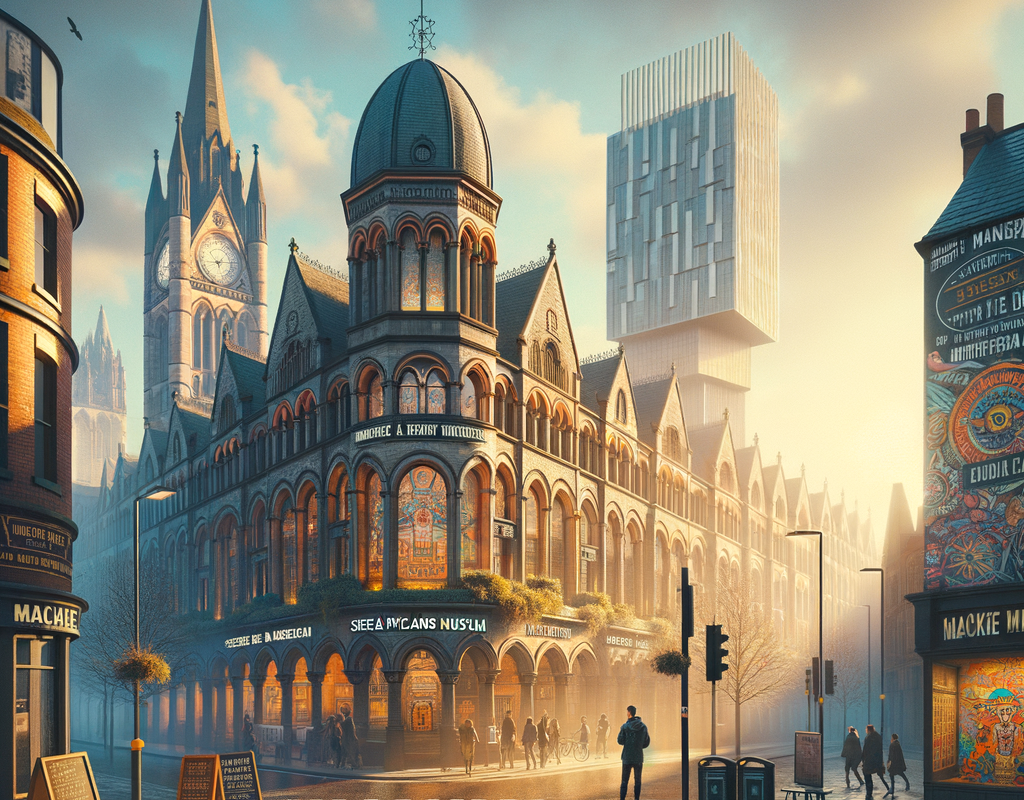
Set in a restored Victorian market, Mackie Mayor gathers independent vendors under one grand roof. You’ll find wood-fired pizza, bao, seasonal salads, and excellent coffee.
– What to order: Share plates to sample multiple vendors
– Timing: Arrive by noon to beat the lunch rush
– Mistake to avoid: Grabbing the first table—wander the hall to see all options
Afflecks: indie shopping maze
Afflecks is a beloved emporium of indie stalls and creatives—think vintage, vinyl, handmade jewelry, and quirky gifts.
– Best for: Unique souvenirs, subculture style
– Strategy: Browse floor by floor; note stalls you want to revisit
– Budget: Prices vary widely; set a target spend to stay on track
Coffee and quick bites nearby
– Northern Quarter: Try a flat white before your street art loop.
– Deansgate/Spinningfields: Grab pastries if you’re heading to John Rylands Library.
Pro move: Build in a 20-minute coffee stop—short breaks keep energy up and help you stay present.
For transport efficiency between food and sights, skim our train travel tips for UK day trips.
Industrial heritage vs. modern culture: a smart compare
From cotton mills to code and culture
Manchester’s identity pivots on reinvention. The city that once powered global textiles now fuels media, sport, and tech. Mills became studios, warehouses became galleries, and rail yards became public spaces.
– Heritage snapshots: Canal basins, cast-iron viaducts, mill chimneys
– Modern pulse: Street art, indie food halls, Premier League football, gig venues
Case study: Ancoats regeneration
Ancoats, once dubbed “the world’s first industrial suburb,” now blends preserved brick mills with start-ups, bakeries, and canalside walks. This living example shows how heritage can frame—rather than freeze—contemporary life.
Actionable takeaway: Plan routes that let you read the old in the new. Move from a museum to a modern hangout to see the continuum.
Best practices for mixing old and new in your route
– Pairings that work:
1. Science and Industry Museum → Deansgate architecture walk
2. Cathedral visit → Northern Quarter street art loop
3. John Rylands Library → Mackie Mayor lunch
– Timebox stops: 60–90 minutes at major sights, 30–45 for browsing
– Golden rule: One bonus stop max—keep your schedule flexible
A practical itinerary for one perfect day
Morning plan (9:30 a.m.–12:30 p.m.)
1. Science and Industry Museum: 10:00–11:15 a.m.
2. Walk to John Rylands Library: 11:25–12:00 p.m.
3. Deansgate coffee stop: 12:00–12:20 p.m.
Why this works: You start with context, then shift to architecture while crowds are lighter.
Afternoon plan (12:30–4:30 p.m.)
1. Lunch at Mackie Mayor: 12:30–1:30 p.m.
2. Northern Quarter street art loop: 1:45–2:30 p.m.
3. Tram to Etihad Stadium: 2:40–3:00 p.m.
4. Etihad Stadium tour: 3:00–4:15 p.m.
Pro tip: Check tour timing first and flex lunch/street art around it.
Evening wrap-up (4:30–7:00 p.m.)
1. Tram back to the city center: 4:30–4:50 p.m.
2. Manchester Cathedral visit: 5:00–5:30 p.m.
3. Browse Afflecks or an early dinner nearby: 5:45–6:45 p.m.
If you’re catching a late train, keep snacks handy and note `Metrolink` frequency to Piccadilly or Victoria.
Conclusion
Manchester shines when you balance its storied past with its creative present. With this route, you’ll cover five headline attractions, enjoy Mackie Mayor’s flavors, pick up something unique at Afflecks, and still have space to wander. Ready to map your own day trip to Manchester? Book key time slots, group neighborhoods, and let the city’s energy guide your pace. What contrast—heritage or modern culture—surprised you most?
FAQs
Q: Can I fit all five attractions into one day?
A: Yes, with smart routing and pre-booking the Etihad tour, it’s manageable without rushing.
Q: Is Manchester walkable for first-time visitors?
A: Very. Most sights are within a 20-minute walk; `Metrolink` fills any gaps.
Q: Are the museums free?
A: The Science and Industry Museum and Manchester Cathedral are free (donations welcome). The Etihad tour is paid.
Q: Where should I eat if Mackie Mayor is packed?
A: Try nearby Northern Quarter spots; diversify with quick bites and return later.
Q: What’s the best time for street art photos?
A: Late afternoon offers softer light and fewer shadows—ideal for the Northern Quarter.
Notes on keyword usage in content:
– The keyword appears in the title, meta description, first paragraph, an H2 heading, and the conclusion for consistency.
– It’s used naturally throughout the article 6 times to aid SEO without overstuffing.