
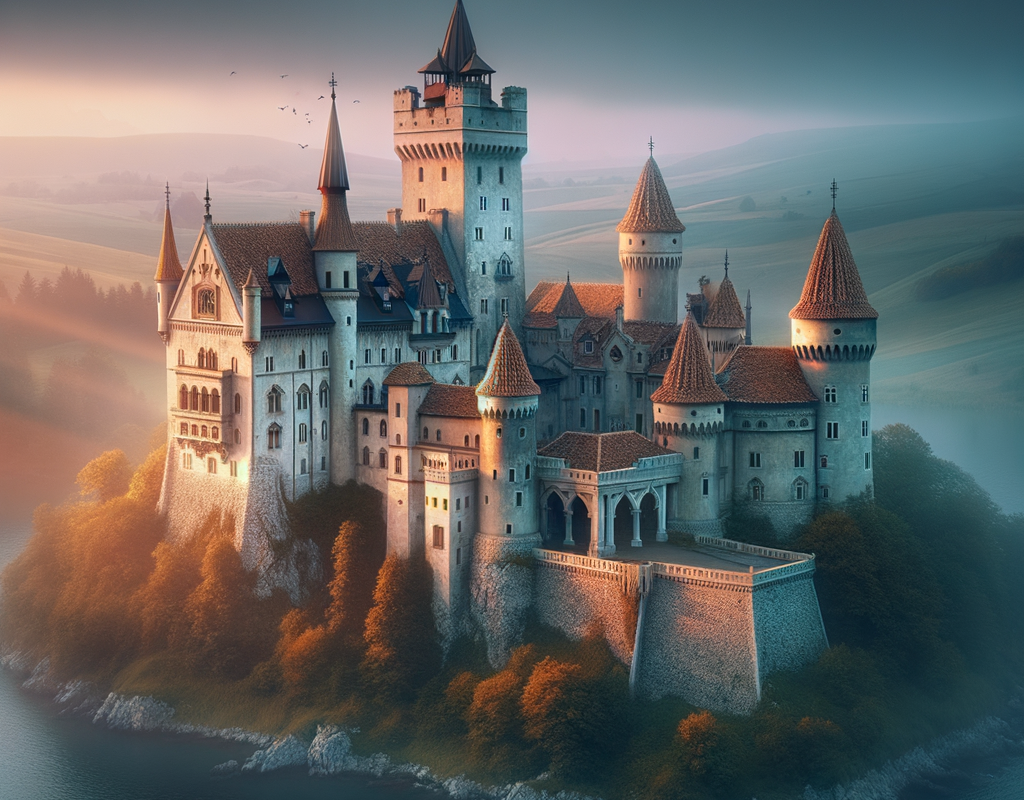
TITLE: Dracula Castle in Romania: History, Myths, and a Traveler’s Guide to Bran Castle
META: Uncover the real history behind Dracula Castle in Romania—Bran Castle. Separate myth from fact, trace Stoker’s sources, and plan a breathtaking Transylvanian visit.
Introduction
Is Dracula Castle in Romania a gothic vampire lair or a misunderstood medieval fortress? The truth is more intriguing than fiction. In this guide, you’ll discover how Bran Castle became entwined with Bram Stoker’s notorious count, what the historical record actually shows, and how to experience the Transylvanian landscape that gives the legend its eerie allure. Along the way, you’ll get practical tips, itineraries, and expert insights so you can plan a visit that balances legend with lived history.
Dracula Castle in Romania: History vs. Legend
From Teutonic Outpost to Royal Residence
Bran Castle began as a strategic border fortification in the 14th century, guarding a mountain pass between Transylvania and Wallachia. Over centuries, it evolved from defensive stronghold to customs post and, later, to a royal residence favored by Queen Marie of Romania in the early 20th century. The castle’s layered past—military, administrative, and royal—explains the mix of narrow stairways, defensive features, and elegant rooms you see today.
– Learn more from the Bran Castle historical overview: Bran Castle official history
– Architectural context and timeline: Britannica entry on Bran Castle
Vlad III and the Sparse Records
Vlad III (Vlad Țepeș, the Impaler), the 15th-century Wallachian prince often linked with Dracula, had a reputation for ruthless tactics during campaigns near Transylvania. Yet primary sources tying him directly to Bran Castle are thin. Some documents suggest he may have passed through or been held briefly in the area; others contradict that notion. What’s certain is that Bran was not his principal fortress—that honor belongs to the mountain stronghold of Poenari, now a challenging hike with 1,480 steps.
– Historical background on Vlad III: Britannica biography of Vlad the Impaler
Bram Stoker’s Research and Literary Alchemy
Bram Stoker wrote Dracula in 1897 without visiting Transylvania. He drew on travel books, maps, folklore studies, and poetry to craft a castle set on a precipice in the Carpathians—an atmospheric composite rather than a direct portrait of Bran.
> “Stoker never set foot in Transylvania, relying instead on guidebooks, maps, and contemporary accounts to conjure his setting.”
– Scholarly discussion of Stoker’s sources: British Library analysis of Dracula
How the Dracula Brand Took Off
The Bran–Dracula association surged in the late 20th century, driven by tourism narratives and the castle’s striking silhouette. The match isn’t perfect, but the visual drama fits Stoker’s mood. Today, Bran Castle embraces the legend while curating exhibits on both the real Middle Ages and the literary vampire that made the site world-famous.
– Practical background for visitors: Romania tourism page on Bran Castle
Myths, Misconceptions, and What to Look For
Myths Debunked
– Myth: Bram Stoker based Dracula’s castle on Bran.
Reality: He likely used generalized Carpathian descriptions and historical notes. Bran resembles the novel’s castle in ambiance, not in documented inspiration.
– Myth: Vlad the Impaler ruled from Bran.
Reality: His power base lay elsewhere, notably at Poenari. Bran’s link to Vlad is marginal and contested.
– Myth: The castle is a vampire “museum.”
Reality: You’ll find a balanced narrative: medieval fortification, royal residence, and a thoughtful Dracula-themed layer.
For context on the cultural myth-making around Dracula, see the BBC’s exploration of the Dracula myth.
Authentic Details You Can Still See
Bran’s architectural details reward close attention:
– Defensive elements: arrow slits, steep corridors, and remnants of `machicolations` (drop slots used in medieval defense).
– Inner courtyard: a photogenic heart of the complex, with galleries and a deep well.
– Queen Marie’s rooms: tastefully restored interiors that highlight early 20th-century royal life.
– Secret stairways: tight passages that hint at the castle’s strategic design.
Tip: Read room placards and timeline panels. They clarify which features are medieval, which are later renovations, and how curators separate legend from evidence.
Best Practices for a Meaningful Visit
– Balance legend and history: Enjoy the Dracula narrative but invest time in the castle’s documented past.
– Pace yourself: Rooms can be compact, with bottlenecks in peak hours. Short breaks in the courtyard help.
– Respect preservation rules: Watch for no-flash signs and rope barriers; preservation protects fragile surfaces and textiles.
– Compare sites: If you’re focused on Vlad’s story, plan a day for Poenari Fortress and the old town of Târgoviște.
The Transylvanian Setting: Nature, Towns, and Routes
Getting There Without the Guesswork
– From Brașov: Bran is roughly 30 km (about 45–60 minutes by car or bus). Brașov makes a convenient base with abundant lodging and dining.
– From Bucharest: Expect about 3–4 hours by car, depending on traffic on DN1. Train to Brașov + bus to Bran is a comfortable combo.
– Parking and buses: The village of Bran has paid parking areas and frequent minibuses from Brașov’s bus station.
Brașov’s medieval center and its Black Church pair naturally with Bran. For planning transit and local schedules, check updated details on the Bran Castle visitor information page.
Scenic Loops and Side Trips
– Râșnov Fortress: A hilltop citadel offering sweeping views and a complementary defensive history.
– Bucegi Mountains: Trails and cable cars deliver alpine panoramas that match the mood Stoker imagined.
– Peleș Castle (Sinaia): A neo-Renaissance jewel—different era, dazzling craftsmanship—excellent for a two-castle day.
– Zărnești and Piatra Craiului National Park: For hikers, this limestone massif offers dramatic cliffs and wildlife.
Sample loop from Brașov: Brașov → Râșnov → Bran → evening in Brașov. Add Peleș if you have a second day.
Seasonal Strategies and Crowd Insights
Bran Castle is among Romania’s most visited attractions, drawing hundreds of thousands of travelers annually; some years have surpassed a million visitors, according to local tourism reporting. Expect:
– Peak months: July–August, and Halloween events in late October.
– Sweet spots: May–June and September for cooler weather and shorter queues.
– Winter ambiance: Snow-dusted roofs make magical photos; plan for icy paths and shorter daylight.
A smart queue strategy:
1) Arrive at opening or late afternoon.
2) Pre-purchase tickets online when available.
3) Visit exhibits in reverse order to dodge clumps of tour groups.
For context on visitor popularity, see a Romania-Insider report on annual visitor numbers.
Photo Spots and Timing
– Main gate approach: Capture the castle cresting above village rooftops.
– Inner courtyard galleries: Mid-morning light makes for even exposures.
– Outer paths: A short walk around the base reveals the cliff-hugging silhouette.
– After rain: Glossy stone and mist produce the most “gothic” effect.
Pro tip: Overcast days soften shadows indoors, ideal for interior shots without flash.
Planning and Practical Tips
Tickets, Tours, and Timings
– Opening hours: Vary by season; double-check current times on the official Bran Castle site.
– Ticket types: Standard entry, optional exhibits (e.g., torture instruments), and occasional night tours or special events.
– Guided tours: Private guides add context, especially if you want a fact-first approach that separates legend and history.
– Accessibility: Expect uneven steps and narrow corridors; wear sturdy shoes and keep hands free for railings.
Sample Day Itineraries (Mini Case Studies)
– Family-friendly half-day: Morning arrival → explore courtyards and main rooms → picnic in the park across from the castle → quick stop at Râșnov for views.
– Literature & history focus: Begin with Bran’s timeline exhibits → compare with displays on Vlad III → late lunch in Brașov’s Council Square → evening reading session with passages from Dracula.
– Photography-driven: Pre-opening queue → interiors first for empty rooms → loop around outer trails → golden-hour shots from the village.
Each scenario benefits from pre-booked tickets and flexible lunch plans in case crowds shift your timing.
Common Mistakes to Avoid
– Treating legend as fact: It narrows your experience. Ground yourself with verified exhibits first.
– Underestimating travel time: Mountain roads can slow you down; build in buffers.
– Arriving at noon in peak season: You’ll face the longest lines and densest room traffic.
– Skipping Brașov: The city’s Saxon heritage and architecture enrich the story far beyond the castle visit.
Budgeting and Local Etiquette
– Costs: Budget for entry tickets, parking, and a meal in Bran or Brașov. Souvenirs tied to the Dracula theme vary widely in quality; compare before buying.
– Payments: Cards are widely accepted, but keep some lei for small purchases.
– Dining: Try local specialties like ciorbă (sour soup) and papanasi (cheese doughnuts).
– Etiquette: Ask before photographing people, especially vendors; avoid touching exhibits and roped-off areas.
Conclusion
The real tale behind Dracula Castle in Romania blends a photogenic fortress, a medieval prince’s contested footprint, and a novelist who turned folklore into enduring fiction. By pairing careful historical reading with a scenic Transylvanian itinerary, you can enjoy the legend while appreciating the architecture, geography, and culture that shaped it. Ready to plan a balanced, fact-forward trip that still delivers chills? Start with the official history, map a route through Brașov and the mountain passes, and decide how much myth you want to invite in.
Will you chase the vampire narrative, or will the stone walls, alpine air, and archival evidence steal the show?
FAQ
Q: Is Bran Castle the “real” Dracula’s castle?
A: Not exactly. Bran Castle fits the mood of the novel, but Stoker didn’t base his setting on a documented visit, and Vlad III’s ties to Bran are limited.
Q: Did Bram Stoker ever visit Transylvania?
A: No. He used maps and travelogues to craft his setting. See the British Library’s analysis of Stoker’s sources for details.
Q: When is the best time to visit to avoid crowds?
A: May–June and September offer milder weather and shorter lines. Arrive at opening or late afternoon for the best experience.
Q: How far is Bran from Brașov and Bucharest?
A: About 30 km from Brașov (45–60 minutes) and roughly 3–4 hours from Bucharest by car, depending on traffic.


