Introduction
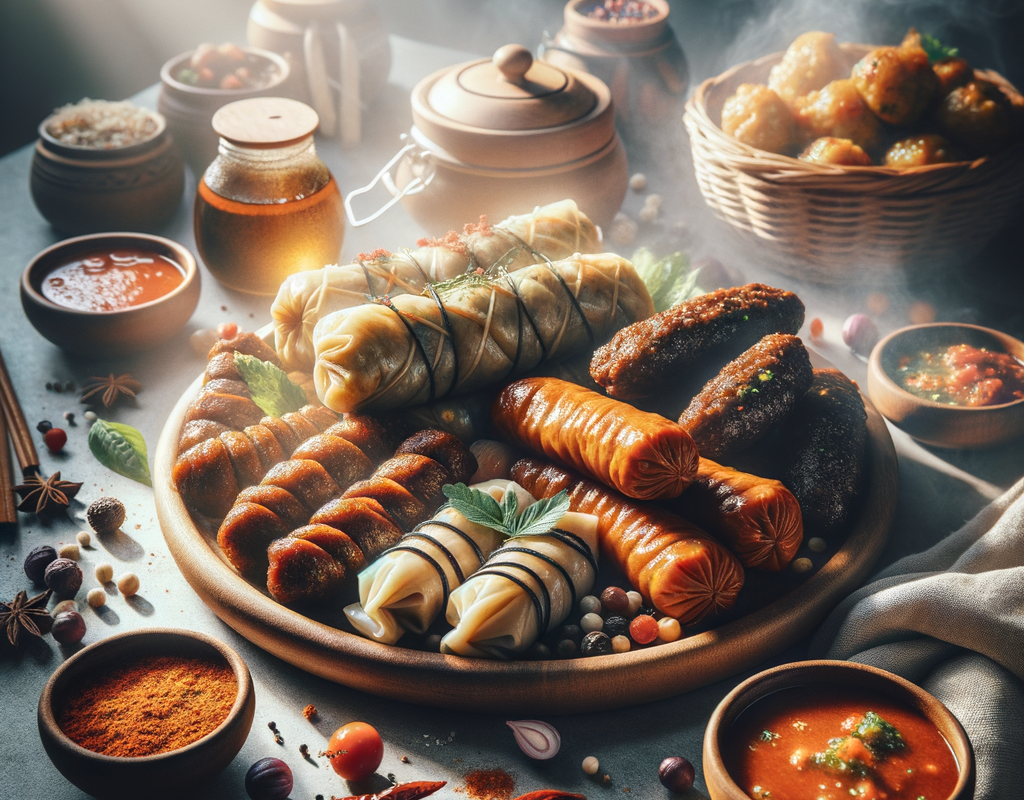
Savor Romania’s soul through Traditional Romanian food—hearty, comforting, and rich with stories. From smoky mici to tender sarmale and cloud-like papanași, these dishes connect families, seasons, and celebrations. In this guide, you’ll get a traveler’s roadmap to flavors, regional specialties, and smart ordering tips, plus pairings and mistakes to avoid. Savoring Romania: a foodie’s journey from sarmale to mici and papanași, with practical insights you can use at the market, a bistro, or your own kitchen.
The Roots and Staples of Traditional Romanian Food
Mămăligă and the Corn Belt
– Mămăligă (golden cornmeal porridge) is the national staple, served with cheese, sour cream, or stews. Romania ranks among the EU’s top maize producers, often first or second in recent years, according to Eurostat, which helps explain cornmeal’s ubiquity.
– Practical example: Pair mămăligă with salty `brânză de burduf` and a fried egg for a simple, filling lunch.
> Insight: Mămăligă’s texture matters—soft for stews, firm for grilling. Ask for “mămăligă mai tare” if you prefer it sliceable.
Cabbage, Pork, and Preservation
– Cabbage (fresh and pickled) and pork underpin many classics. Winter pickling traditions keep flavors bright and hearty.
– Case in point: “Varză a la Cluj” layers cabbage, minced meat, and rice—Transylvania’s answer to deconstructed sarmale.
– Data point: A significant rural population (around mid-40% in recent years per the World Bank) sustains home preserving and farm-to-table habits.
Herbs, Spices, and Flavor Balance
– Expect dill, lovage, thyme, and paprika over chili heat. Garlic, vinegar, and sour agents (bors, pickles) add lift.
– Best practice: When in doubt, balance rich meats with sour sides—pickled cucumbers, cabbage, or green tomatoes.
Iconic Dishes: Sarmale, Mici, and Beyond
Sarmale: Rolls with History
– What it is: Cabbage or vine leaves rolled with minced pork (often mixed with beef), rice, onions, and herbs, simmered low and slow with tomato and smoked pork.
– How to order: One portion typically includes 2–4 rolls with mămăligă and `smântână` (sour cream).
– Home cook strategy:
1) Soften leaves (sauerkraut leaves need rinsing to reduce salt).
2) Mix meats 70/30 pork to beef for tenderness.
3) Add a spoon of smoked lard or bacon for depth.
4) Simmer gently; don’t boil hard or the rice bursts.
– Common mistake to avoid: Overstuffing leaves. Keep rolls compact so rice cooks evenly.
Mici: Char and Juices
– What it is: Skinless grilled sausages of beef (sometimes with pork/lamb), seasoned with garlic, pepper, thyme, and a hint of baking soda for springiness.
– Street-food snapshot: At weekend markets, grills perfume the air; locals queue for piping-hot mici with mustard and bread.
– Technique tip: Chill the mix overnight and keep it wet with beef stock for juiciness. Grill over medium-high heat and avoid pressing them—retain the juices.
– Pairing: Crisp lager or a light red like Fetească Neagră from our Romanian wine guide to local grapes.
Soups and Stews: Ciorbă and Tochitură
– `Ciorbă` means a sour soup, often sharpened with vinegar or `borș` (fermented wheat bran liquid). Favorites include `ciorbă de burtă` (tripe) and `ciorbă de perișoare` (meatballs).
– Tochitură: A rustic pork stew served with mămăligă, fried eggs, and salty cheese—comfort on a plate.
– Best practice: Start meals with ciorbă; it primes your palate and leaves room for heavier mains.
Sweet Endings: Cozonac and Papanași
Papanași: Doughnut-Dumpling Hybrid
– Fried cheese doughnuts topped with `smântână` and fruit jam (usually sour cherry or blueberry). The “hat” on top is the chef’s playful signature.
– Actionable tip: Ask about the cheese—`brânză de vaci` or fresh cow’s cheese gives the best tang and texture.
– Mistake to avoid: Overly sweet toppings. The charm is contrast—tangy cream, tart jam, light sweetness.
Cozonac and Holiday Baking
– Cozonac is a braided sweet bread with walnut-cocoa filling, baked for Easter and Christmas. Every family guards a recipe.
– Practical example: If you see `cozonac cu nucă și cacao`, expect nutty, chocolatey swirls. Slice thick and serve with coffee.
Regional Desserts and Dairy
– Transylvania loves fruity strudels; Moldavia excels at layered pastries. Fresh dairy—`urdă`, `caș`, `telemea`—rounds meals off lightly.
– For broader context, see our primer on Balkan dessert classics.
Eat Like a Local: Tips, Pairings, and Places
Ordering and Pronunciation
– Handy words: `ciorbă` (sour soup), `fel principal` (main), `garnitură` (side), `murături` (pickles), `nota` (the bill).
– Pronounce: sarmale (sar-MAH-leh), mici (MEECH), papanași (pah-pah-NAH-sh).
– Strategy: Share plates. Order one soup, one grilled item, one stew, and sides—taste more, waste less.
Pairings: Wines, Beers, and Sours
– Wines: Fetească Neagră for grilled meats; Fetească Albă or Tămâioasă Românească with sarmale; late-harvest Grasă de Cotnari for dessert.
– Beers: Lagers refresh with mici; amber styles match tochitură.
– Sours: A shot of pickle brine or a ladle of `zeamă` (sour broth) cuts richness.
– Credible note: Romania ranks among the world’s top 15 wine-producing countries in recent OIV surveys, supporting strong local pairings.
Where to Taste: Markets and Homes
– Markets: Bucharest’s Obor Market is a benchmark for grilled mici and seasonal produce.
– Guesthouses: In rural Maramureș, Bucovina, and Transylvania, family-run `pensiuni` serve set menus built around pickles, soups, and slow-cooked meats.
– Urban bistros: Look for “bucătărie românească” on menus for modern takes that respect tradition.
Regional Plates Worth Traveling For
Transylvania: Smoke and Subtlety
– Expect `varză a la Cluj`, `ciorbă ardelenească`, and smoked pork with beans.
– Best practice: Try `slănină` (cured pork back fat) thinly sliced with onions and bread—balance with pickles.
Moldova and Bucovina: Dough and Dairy
– Savory pies like `poale-n brâu`, hearty `sarmale` with more rice, and creamy soups.
– Tip: Seek monasteries for generous, traditional meals—often vegetable-forward on fasting days.
Dobrogea and the Black Sea: Fish and Layers
– Fish soups, grilled carp, and `plăcintă dobrogeană` (cheese pie with EU `PGI` status). Coastal menus lean lighter.
Street Food and Quick Bites
Beyond Mici: Covrigi and Plăcinte
– `Covrigi` (sesame pretzels) are a cheap, hot snack at bakeries.
– `Plăcinte` can be savory (cheese, cabbage) or sweet (apple). Ideal for train rides.
Charcuterie and Cheese
– `Salam de Sibiu` has EU `PGI` status—mild, noble-mold salami that pairs well with Fetească Albă.
– Cheese board: Try `telemea`, `urdă`, and `caș` with honey and nuts.
Sourcing, Seasonality, and Sustainability
Seasonal Rhythm
– Spring: wild garlic, lamb; Summer: tomatoes, peppers; Autumn: mushrooms, plums; Winter: pickles, smoked meats.
– Tip: Order what’s in season—the flavor and value jump noticeably.
Smart Shopping and Ethical Choices
– Farmers’ markets post source regions; ask vendors for tasting samples.
– Choose dishes using local grains and vegetables—supporting the agricultural backbone highlighted by Eurostat’s maize production data.
Reliable References
– Explore Eurostat’s overview of EU crop production for context on corn and wheat in Romania.
– The World Bank’s rural population data helps explain why home preserving traditions remain strong.
Common Mistakes to Avoid
– Expecting chili heat: Romanian food favors herbs and sour notes over spiciness.
– Skipping pickles: `murături` are not garnish—they’re balance.
– Over-ordering mămăligă: Share one side unless you’re very hungry.
– Rushing dessert: Fresh papanași collapses if it sits—eat it hot.
Conclusion
Traditional Romanian food is a story of fields, forests, and family tables—humble staples elevated by patience, smoke, and sour balance. Use this guide to order with confidence, pair smartly, and plan tastings by region and season. Ready to make your first reservation, browse a market, or cook sarmale at home? Start today, and let Traditional Romanian food be your delicious roadmap through the country’s culture. Which dish will you try first: sarmale, mici, or papanași?
FAQ
Q: What should I try first if I have one meal?
A: Order a `ciorbă` to start, share a plate of mici, and finish with papanași.
Q: Is Romanian cuisine spicy?
A: Not usually. It leans on herbs, garlic, and sour elements rather than chili heat.
Q: Can I find good vegetarian options?
A: Yes—`zama` vegetable soups, bean stews, eggplant salads, and mămăligă with cheese are reliable.
Q: What wine pairs best with sarmale?
A: Medium-bodied reds like Fetească Neagră or a dry rosé balance the rich, sour profile.
Q: Are there protected regional foods?
A: Yes. `Salam de Sibiu` and `Plăcintă dobrogeană` have EU `PGI` recognition.